 Dr. Clive Clutton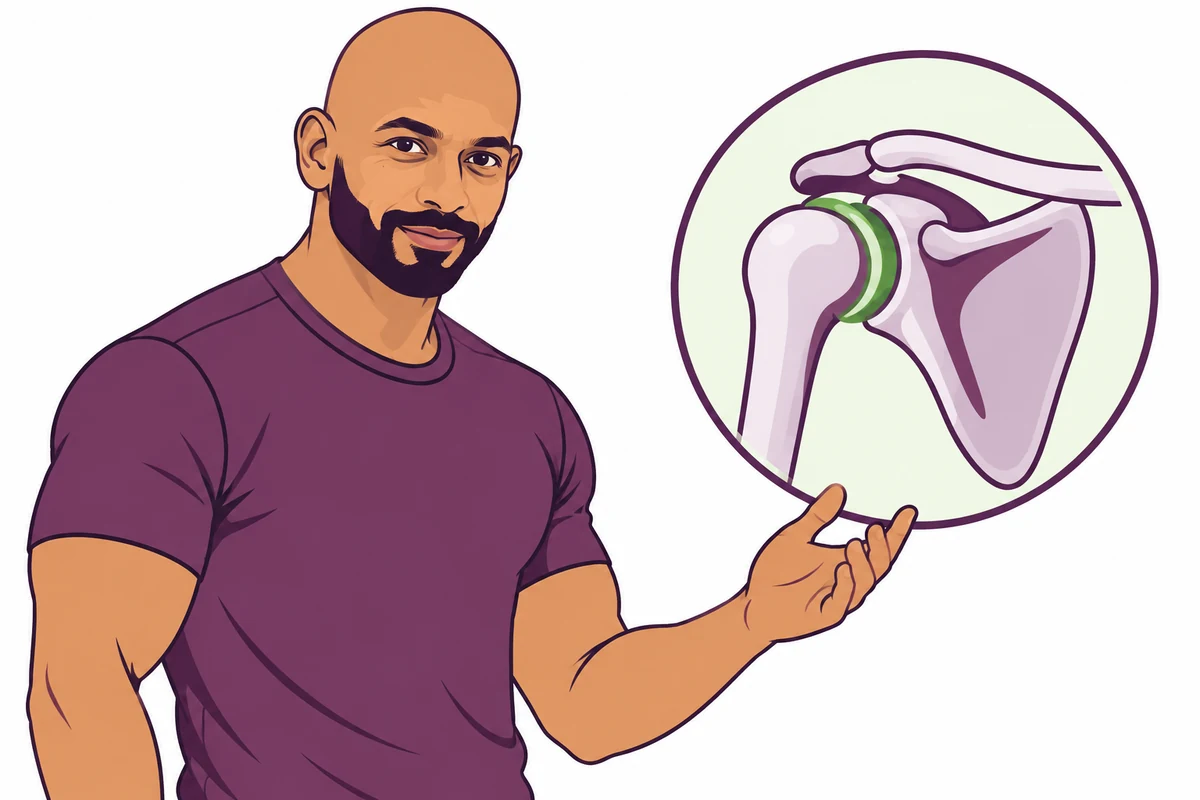
What impingement means
The term was popularised by Neer in 1972 to describe tendons at the top of the shoulder being irritated as the arm is raised.1 Today many clinicians prefer terms such as subacromial or rotator cuff related shoulder pain, because pain is rarely explained by a simple “pinch” alone.
The three main types
- Subacromial. The most common. Pain at the top or side of the shoulder, often with overhead reaching or pressing.3
- Subcoracoid. Pain at the front of the shoulder, often when the arm is brought across the body or turned inward.3
- Internal. Seen mostly in throwing and overhead athletes. Pain at the back of the shoulder when the arm is raised and turned back, as in the cocking phase of a throw.3
Why it happens
Several things can contribute, and they often overlap: the shape of the bones, tendon changes with age or load, and how the shoulder blade and rotator cuff control movement.2 For lifters, a sudden jump in pressing volume or overhead work is a common story.
Common signs
- Pain lifting the arm, especially between shoulder and head height
- Pain with pressing, reaching behind the back or sleeping on that side
- Weakness or a feeling that the shoulder is “catching”
What the research says about exercise
A systematic review and meta-analysis of randomised trials found that exercise reduced shoulder impingement pain more than non-exercise comparisons, (standardised mean difference −0.94, a measure of how big the difference was).4 An overview of 15 systematic reviews found no clinically important difference between surgical and conservative care for shoulder impingement.5
That does not mean surgery is never needed. It means a well-structured exercise programme is a reasonable first step for most people.
What conservative care usually includes
- A clear explanation of what is going on and what to expect
- Adjusting training load, not stopping everything
- Progressive strengthening of the rotator cuff and shoulder blade muscles
- Hands-on treatment as a short-term addition where it helps
- A gradual return to pressing and overhead work
See a doctor promptly if shoulder pain follows a fall or injury with sudden loss of strength, if the shoulder looks deformed, or if pain comes with chest pain, shortness of breath, fever or a hot, swollen joint.
Sources
- Neer CS. Anterior acromioplasty for the chronic impingement syndrome in the shoulder. J Bone Joint Surg Am 1972;54(1):41-50. Clinical case series. Link
- Michener LA, McClure PW, Karduna AR. Anatomical and biomechanical mechanisms of subacromial impingement syndrome. Clin Biomech 2003;18(5):369-379. Narrative review. Link
- Stowers J, Sapp G, Zaremski JL, Herman D. Impingement syndromes of the shoulder. PM&R KnowledgeNow, 2024. Clinical review. Link
- Steuri R, et al. Effectiveness of conservative interventions including exercise, manual therapy and medical management in adults with shoulder impingement: a systematic review and meta-analysis of RCTs. Br J Sports Med 2017;51(18):1340-1347. Systematic review and meta-analysis. Link
- Nazari G, MacDermid JC, Bobos P. Conservative versus surgical interventions for shoulder impingement: an overview of systematic reviews. Physiother Can 2020;72(1):1-15. Overview of systematic reviews. Link
This article is general education. It does not replace advice from a clinician who has examined you.